
Research published by the American Academy of Dermatology (AAD) shows that minimally invasive cosmetic procedures continue to grow in popularity as more people seek treatments that improve skin appearance without extensive downtime. Advances in dermatology and aesthetic medicine have introduced a wide range of technologies designed to address concerns such as acne scars, uneven pigmentation, fine lines, sun damage, and skin texture irregularities.
The increasing availability of these treatments has made skincare technology a common topic among consumers researching cosmetic options. Educational resources from medical organizations, dermatology clinics, and industry publications help people understand potential benefits and risks before making decisions. Many individuals also review provider websites and treatment guides to learn more about Amenity Esthetics and similar aesthetic practices while comparing available procedures.
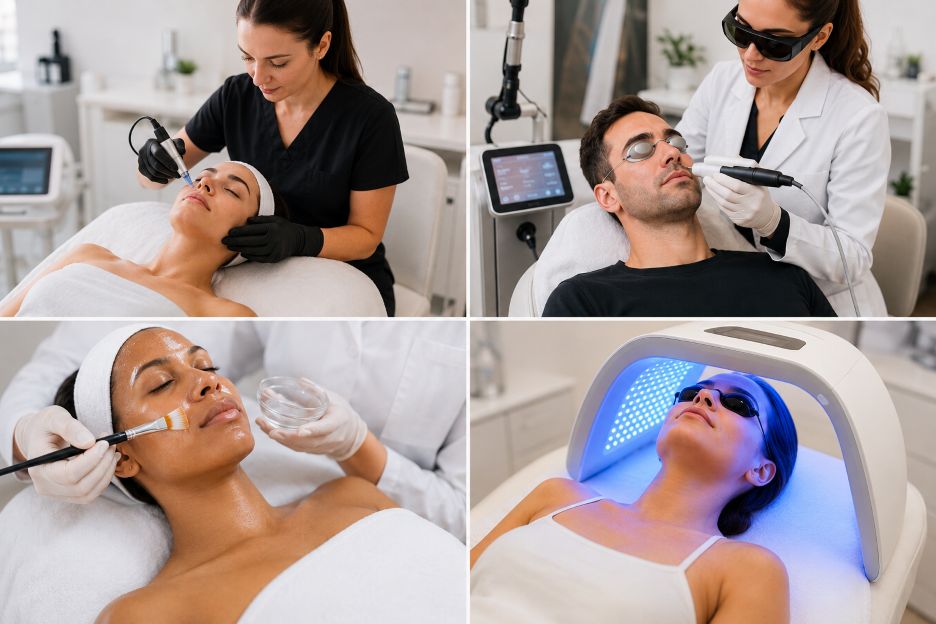
Why Advanced Skincare Technologies Are Gaining Popularity
Several factors have contributed to growing interest in modern skincare treatments. Longer life expectancy, increased awareness of skin health, and improvements in treatment safety have encouraged more people to explore cosmetic procedures. At the same time, social media and digital photography have increased attention to skin appearance and self-care routines.
Technological innovations have also improved precision. Modern devices can target specific layers of the skin while minimizing damage to surrounding tissue. Data from the American Society of Plastic Surgeons (ASPS) indicates that many patients prefer treatments that offer gradual improvements with limited recovery periods compared with more invasive procedures.
As a result, aesthetic clinics now offer a broad range of solutions tailored to different skin types, concerns, and treatment goals.
Argument: Modern Treatments Can Address a Wide Range of Aesthetic Concerns
Supporters of advanced skincare technologies point to their versatility and expanding clinical evidence. Various treatments can stimulate collagen production, improve skin tone, reduce pigmentation issues, and soften visible signs of aging.
Research published in the Journal of Clinical and Aesthetic Dermatology notes that many contemporary procedures work by encouraging the skin’s natural healing processes. Rather than masking concerns, these treatments often aim to support biological repair mechanisms that contribute to healthier-looking skin over time.
Another advantage is customization. Dermatologists and aesthetic professionals can often adjust treatment intensity based on a patient’s skin condition, sensitivity level, and desired outcome. This flexibility has helped broaden the appeal of cosmetic skincare technologies among diverse patient populations.
Counterargument: Technology Alone Cannot Replace Healthy Lifestyle Habits
Despite advancements, skincare devices and procedures have limitations. Experts emphasize that long-term skin health depends on factors beyond cosmetic treatments.
The Centers for Disease Control and Prevention (CDC) and the World Health Organization (WHO) continue to highlight the importance of sun protection, balanced nutrition, adequate sleep, stress management, and smoking avoidance for overall health and skin quality.
Even highly effective treatments may produce less favorable results when lifestyle factors undermine skin health. For example, excessive ultraviolet exposure can accelerate skin aging and contribute to pigmentation concerns regardless of previous cosmetic procedures. Similarly, poor sleep quality and chronic stress may affect skin recovery and appearance.
This perspective suggests that technology works best when combined with consistent skincare habits and realistic expectations.
Comparing Common Skincare Technologies
Microneedling
Microneedling uses fine needles to create controlled micro-injuries in the skin. These tiny punctures stimulate the body’s natural wound-healing response and encourage collagen and elastin production.
Many practitioners recommend microneedling for:
- Mild to moderate acne scars
- Fine lines and wrinkles
- Enlarged pores
- Uneven skin texture
- Stretch marks
Research published by the National Library of Medicine suggests that microneedling can improve skin texture and scar appearance with relatively short recovery periods. However, results typically develop gradually and may require multiple sessions.
Compared with some laser procedures, microneedling is often considered less aggressive, though outcomes can vary depending on skin condition and treatment protocol.
Laser Therapies
Laser treatments use concentrated light energy to target specific skin concerns. Different laser technologies are designed for different goals.
Common applications include:
- Reducing sun damage
- Improving pigmentation irregularities
- Treating vascular lesions
- Minimizing acne scars
- Addressing signs of aging
Laser procedures are often divided into ablative and non-ablative categories. Ablative lasers remove portions of the skin’s surface and generally produce more dramatic results, though recovery time may be longer. Non-ablative lasers work beneath the surface and usually involve less downtime.
The American Board of Cosmetic Surgery notes that laser technologies can be highly effective when properly matched to a patient’s skin type and cosmetic concerns. However, they may not be appropriate for everyone, particularly individuals with certain skin conditions or increased risk of pigmentation changes.
Chemical Peels
Chemical peels involve applying specialized solutions that exfoliate the skin and promote regeneration. The depth of treatment can range from superficial to deep depending on the formulation used.
Chemical peels are commonly used to address:
- Uneven skin tone
- Mild acne scars
- Sun damage
- Fine lines
- Rough texture
The American Academy of Dermatology explains that lighter peels often require little downtime, while deeper peels may involve longer recovery periods and more intensive aftercare.
Compared with laser treatments, chemical peels are generally less technology-driven but remain widely used due to their versatility and long history in dermatologic care.
Phototherapy and Light-Based Treatments
Phototherapy uses specific wavelengths of light to influence biological processes within the skin. Different light colors are associated with different therapeutic goals.
Examples include:
- Blue light for acne management
- Red light for inflammation reduction and collagen support
- Broad-spectrum light therapies for pigmentation concerns
Research reviewed by the National Institutes of Health (NIH) indicates that certain light-based therapies may help improve acne and support skin rejuvenation. These treatments are often viewed as less invasive than some laser procedures.
However, phototherapy generally produces more subtle results and may require ongoing sessions to maintain benefits.
READ ALSO: How Plant-Based Progesterone Creams Are Redefining Anti-Aging Skincare
How Consumers Research Treatment Options and Providers
Today’s consumers have access to more information than ever before. Professional organizations, peer-reviewed studies, healthcare providers, and educational websites all contribute to treatment research.
Many individuals compare before-and-after galleries, review provider credentials, read patient experiences, and examine treatment explanations before scheduling consultations. Experts from the AAD recommend verifying practitioner qualifications and discussing potential risks, expected outcomes, and recovery requirements during consultations.
Online resources can be useful starting points, but personalized assessments remain important because skin type, medical history, and treatment goals vary significantly between individuals.
Finding the Most Appropriate Approach Based on Individual Goals
The debate surrounding advanced skincare technologies highlights an important reality: modern treatments can offer meaningful improvements for many cosmetic concerns, yet they are most effective when viewed as part of a broader approach to skin health.
Microneedling, laser therapies, chemical peels, and phototherapy each provide distinct advantages and limitations. Some procedures focus on collagen stimulation, others target pigmentation or surface texture, and some emphasize gentle maintenance with minimal downtime.
The most appropriate choice often depends on personal goals, skin characteristics, budget considerations, recovery preferences, and professional guidance. While aesthetic technologies continue to evolve, experts consistently emphasize the value of combining evidence-based treatments with healthy lifestyle habits, sun protection, and realistic expectations.
As consumers continue exploring modern cosmetic solutions, informed decision-making remains one of the most valuable tools available for achieving safe and satisfying outcomes.