
Hair loss has a way of creeping up quietly. A few extra strands on the pillow, a hairline that looks a touch further back than last year’s photos, a part that seems wider than it used to be.
For a long time, the beauty world treated hair thinning as something to hide rather than something to address head-on.
Kirkland minoxidil has become one of the most talked about names in over the counter hair care, and the reason is straightforward enough: it works for a large share of the people who actually stick with it.
This is not a miracle serum promising overnight thickness.
It is a topical treatment with a long clinical track record, and understanding how it fits into a daily beauty routine can make the difference between quitting too early and seeing real results.
Why This Product Keeps Coming Up
Minoxidil 5% is the standard strength recommended for men dealing with hereditary hair thinning.
Kirkland’s version has built a solid reputation because it delivers the same active ingredient found in pricier branded lotions, just at a friendlier monthly cost.
People comparing hair care options often land here after realizing they do not need to pay a premium for a name when the formula underneath is doing the same job.
The lotion is applied with a dropper, usually 1ml twice a day, directly onto the scalp rather than the hair itself.
That distinction matters more than most people realize. Minoxidil absorbed through wet hair or applied loosely tends to underperform.
Dry scalp, dry hair, consistent timing. It sounds almost too simple, but the simplicity is part of what makes it workable as a daily habit rather than a chore.
The Timeline Nobody Warns You About
In the first two to eight weeks, some users notice more shedding than usual.
It feels like the opposite of progress, but it is actually the treatment pushing resting hairs out to make room for new growth cycles.
A lot of people stop right here, never knowing they were on the edge of a turning point.
That single moment of panic is probably the most common reason the product gets written off before it ever gets a real chance.
Around month three or four, fine new hairs typically start appearing in the treated areas.
By months four through six, those hairs often thicken enough that the difference becomes visible, not just to the person using it but to people around them.
This is a slow treatment, and routines built around instant gratification rarely survive the wait.
Real progress tends to come from a committed three to six month window, not a single bottle bought on a whim.
A Beauty Routine, Not A One Time Fix
One thing that separates hair thinning treatment from a lot of other beauty trends is that it does not reward one-off purchases.
Buying a single month’s supply almost guarantees disappointment because that simply is not enough time for visible change to happen.
People who report the best experiences tend to treat it the way they treat skincare or fitness: as a routine woven into daily life rather than a quick fix they picked up on a bad hair day.
Pairing it with something already automatic, like brushing teeth or a nightly skincare step, tends to be the difference between consistent use and forgotten bottles collecting dust in a bathroom cabinet.
Waiting a few hours before washing hair afterward also helps make sure the product stays on long enough to absorb properly rather than getting rinsed away before it can do anything.
What To Expect On The Skin And Scalp
Some users experience a dry or itchy scalp in the early weeks, largely due to propylene glycol, one of the inactive ingredients that helps carry the active compound into the scalp.
For anyone sensitive to that, foam versions without propylene glycol tend to be gentler, though they come with their own tradeoffs in cost and application style.
It is also worth being upfront about limits.
This is not a treatment approved for anyone under eighteen, and people with cardiovascular conditions or high blood pressure should approach it carefully, since the ingredient can have an effect on blood pressure levels.
Pregnant or breastfeeding individuals are generally advised against use.
None of this makes the product risky when used correctly, but it does mean it deserves the same thoughtfulness given to any other health related purchase, not just a casual impulse grab off a shelf.
Setting Realistic Beauty Goals
The beauty industry loves fast transformations, but hair growth does not move that fast, and that is completely fine.
What matters more is setting expectations that match biology instead of matching a marketing headline.
Checking for results at the two week mark is practically setting yourself up to walk away right when the treatment is doing its quiet, unglamorous groundwork underground.
A six month evaluation gives a far more honest picture of what is actually happening.
Plenty of people also find that the habit of caring for hair and scalp regularly motivates them to look at other aspects of their wellness routine more seriously.
Some explore supplements that target overall appearance from the inside, products similar to what you might find when searching for something like Exipure for healthy and beautiful skin, hair and nails, where the focus is on nourishing the body rather than just treating symptoms on the surface.
For anyone standing at the edge of a receding hairline, wondering whether trying a treatment is worth the effort, consistency matters more than the product name on the bottle.
Whichever option is chosen, the daily habit is what carries the results forward, not a single application or a rushed call after a few weeks of uncertainty.
Thinning hair does not have to be the end of a confident reflection in the mirror. With patience, realistic expectations, and a routine that actually gets followed through, a genuine beauty comeback is well within reach for most people willing to give it the months it actually needs.


 Avoid Muscle Surgery While There’s Still Time!
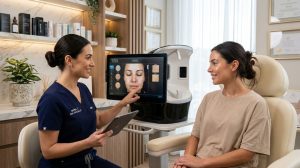 Today, modern imaging systems can assess:
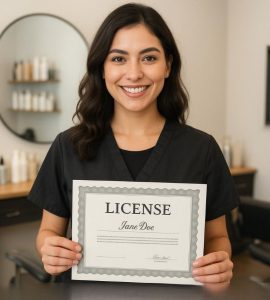 Texas is home to thousands of licensed cosmetologists, aestheticians, and spa owners who work hard to build thriving businesses in the health and beauty industry. From high-end salons in Austin to cozy skincare studios in El Paso, these professionals face a unique set of legal challenges that can impact their careers and reputations. Whether it’s navigating state licensing requirements, drafting service contracts, or resolving client disputes, having access to reliable legal guidance is essential.
 Did you know that certain antioxidants can revolutionize your beauty routine? Mitolyn is one of the most talked-about products in health and beauty circles, thanks to its unique blend of powerful ingredients like Maqui Berry and Schisandra. These natural antioxidants have properties that not only enhance your skin but also improve overall well-being. Let’s explore the top five beauty benefits of Mitolyn that you might not know about.







 Studies have shown that magnesium can do a lot in stabilizing hormonal imbalances and in refining cellular processes. As beneficial results, sufficient intakes of magnesium can aid in the improvement of the overall appearance of skin. That’s because the main function of magnesium as a supplement, is to help lower the levels of the stress hormone cortisol.
 According to Dr. John Cullen, a prominent family physician practicing in Valdez, Alaska, magnesium is one of key electrolytes capable of taking control of muscle functions. That’s why a person with magnesium deficiency will likely experience muscle cramps or in some cases, experience having irregular heartbeats.
 Studies conducted at the National Institutes of Health (NIH) reveal that generally, healthy people do not even feel anything wrong if magnesium is missing in their regular diet. However, reports on serious cases of magnesium deficiency disclosed symptoms like loss of appetite, nausea and vomiting, which if not addressed medically and immediately, can lead to muscle cramps and contractions, feelings of numbness, tingling sensations, and at worst, lead to abnormal heart beats and seizures.